High-Rise Vs Mid-Rise In Lakeview
December 18, 2025
December 18, 2025
Wondering whether a high-rise or a mid-rise is the better fit for your Lakeview lifestyle? Each offers a different mix of cost, amenities, and daily convenience. In this guide, you’ll compare fees, services, elevators, views, noise, resale, and financing so you can choose confidently and budget for the full picture. Let’s dive in.
High-rises in Chicago real estate typically start around 12 stories and often include multiple elevators, centralized HVAC, and larger amenity packages. Building code treats a high-rise as any building with an occupied floor more than about 75 feet above fire department access, which aligns with what you see in Lakeview.
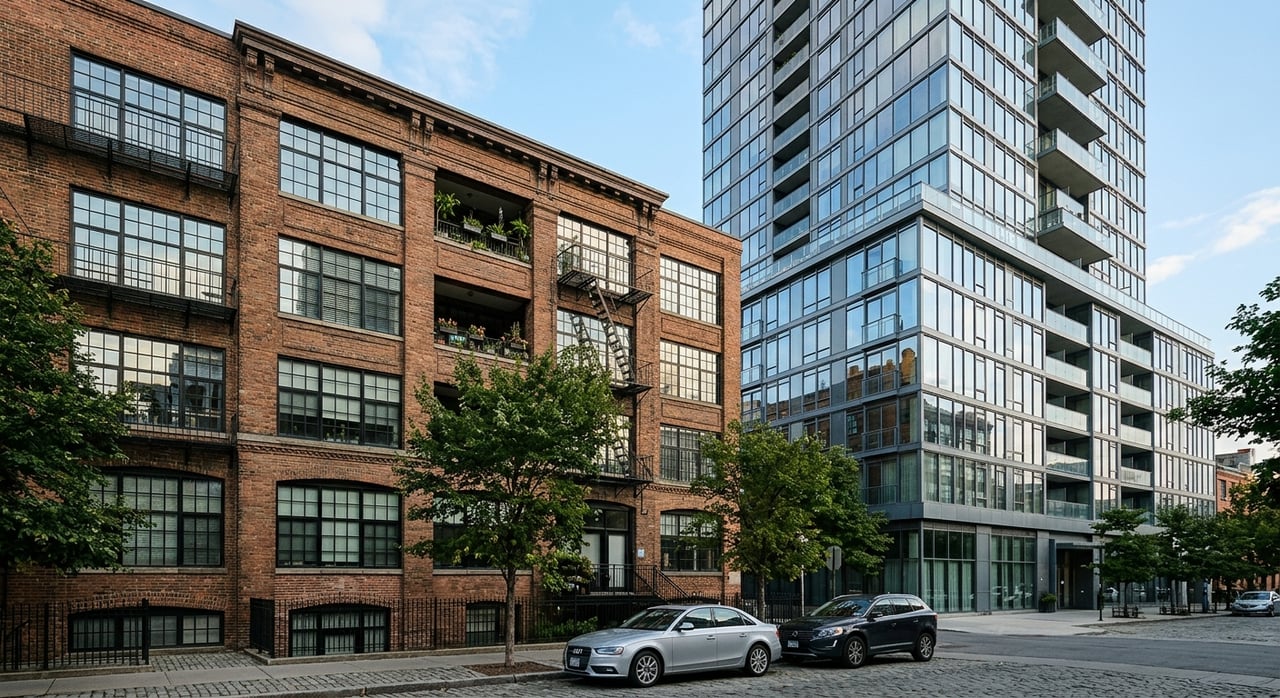
Mid-rises are usually 4 to 11 stories. In Lakeview, that includes classic masonry buildings, post-war concrete mid-rises, and newer low-to-mid-rise conversions. These categories matter because they influence assessments, amenity options, elevator counts, maintenance needs, and even financing.
You’ll often see higher monthly assessments in high-rises because of staffing, elevators, and larger shared systems. Market-level patterns in comparable Chicago neighborhoods show mid-rise condo fees commonly around $200 to $450 per month, while high-rise fees are commonly around $350 to $900+ per month depending on amenities and what utilities are included. Actual numbers vary by building.
What drives assessments:
Older Lakeview buildings, whether mid-rise or high-rise, may face capital projects like façade repairs, roof or window replacement, elevator modernization, and garage work. If reserves are thin, boards can levy special assessments. Masonry and façade work is a common driver near the lake due to freeze-thaw cycles.
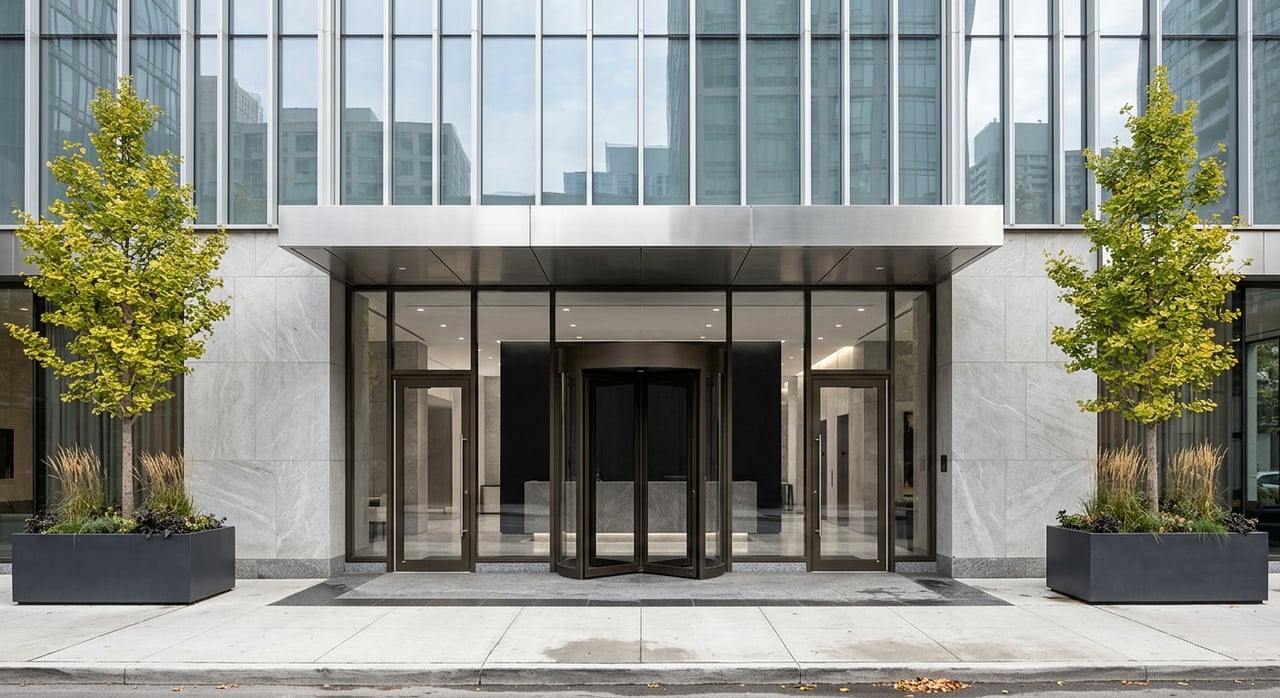
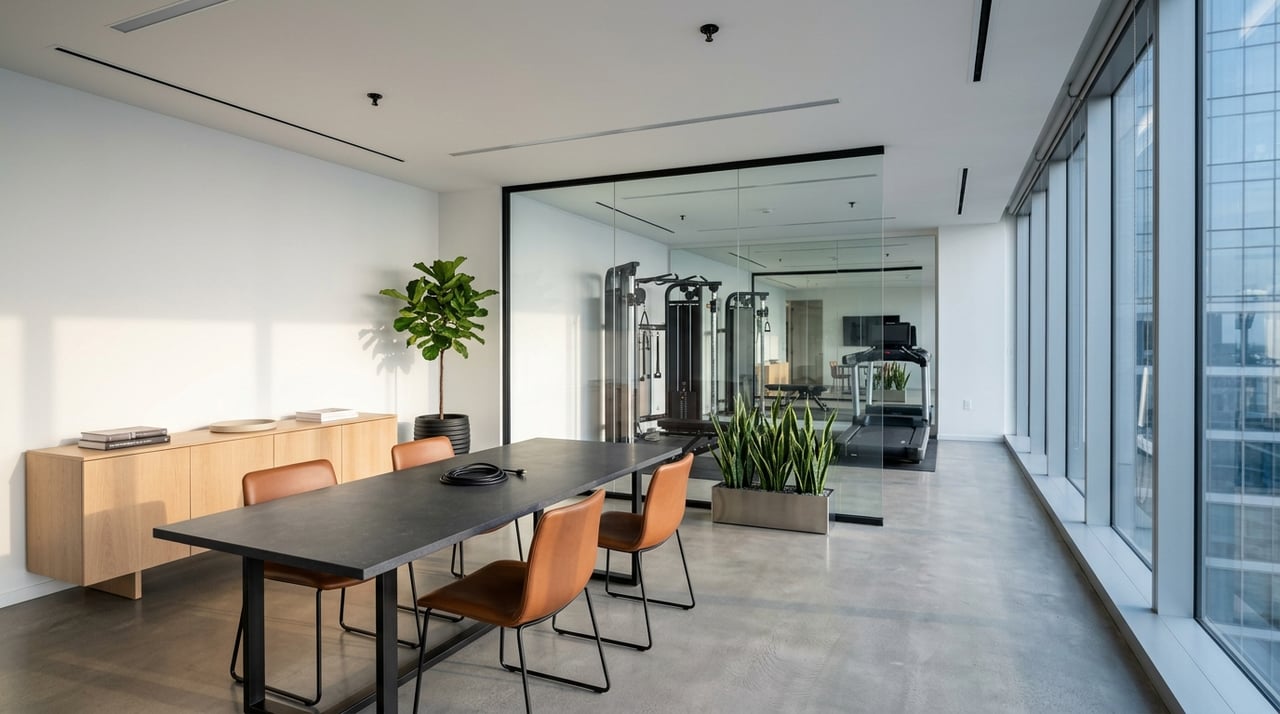
High-rises typically deliver more: staffed lobbies, package rooms, gyms, pools, rooftop lounges, co-working spaces, dog-wash stations, and onsite management. This supports a service-oriented lifestyle and can improve resale appeal, but it raises recurring costs.
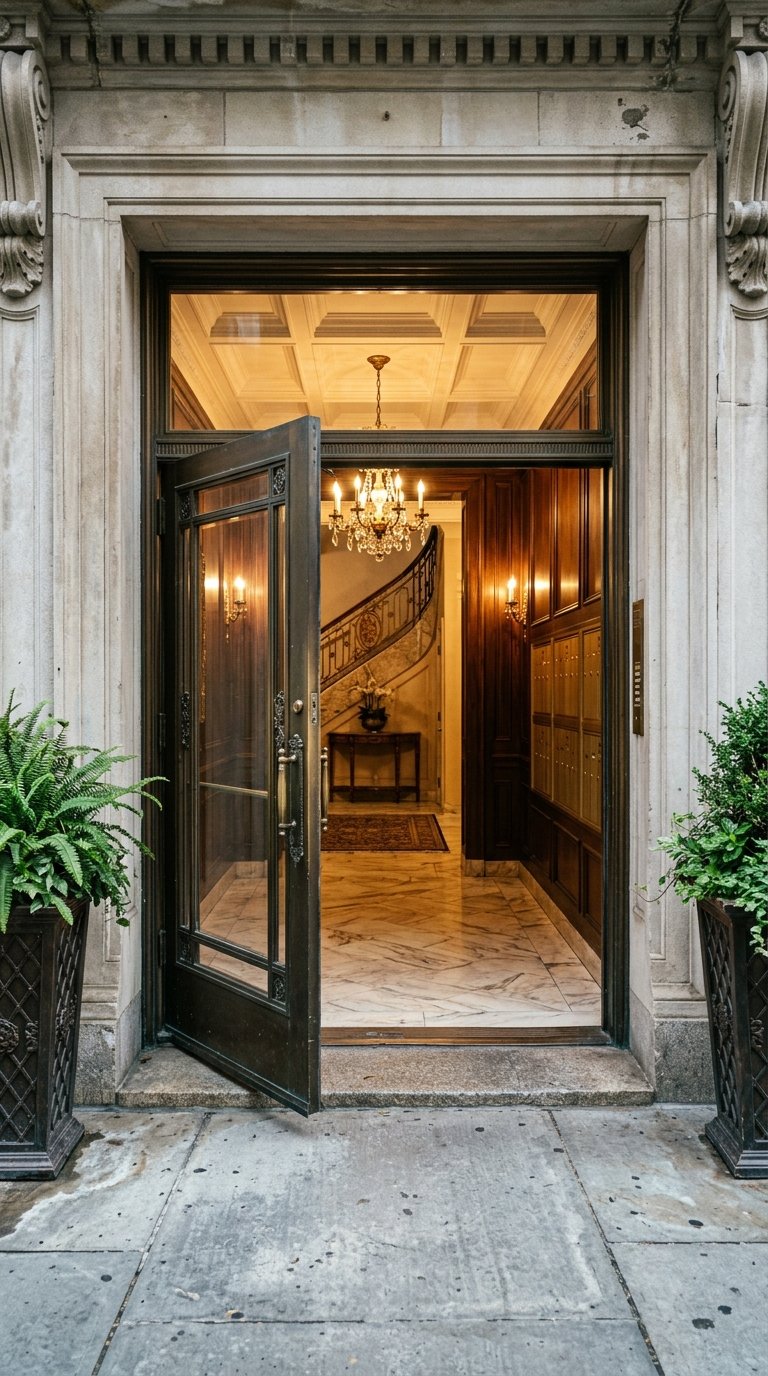
Mid-rises tend to keep it simple: a basic lobby, limited or no fitness room, common laundry or in-unit laundry where updated, and smaller shared spaces. If you want a lower fee structure and a smaller community feel, a mid-rise can be a good match.
Many mid-rises have a single elevator or none at all in smaller buildings. One elevator can mean longer waits at peak times and a single point of failure during maintenance. High-rises usually have multiple passenger elevators and often a service car, which can improve wait times even at taller heights, though peak-hour delays still happen.
More elevators also mean higher costs for inspections, maintenance, and eventual modernization. Ask about the number of cars, the last modernization date, and the reserve plan for the next 20–30 years.
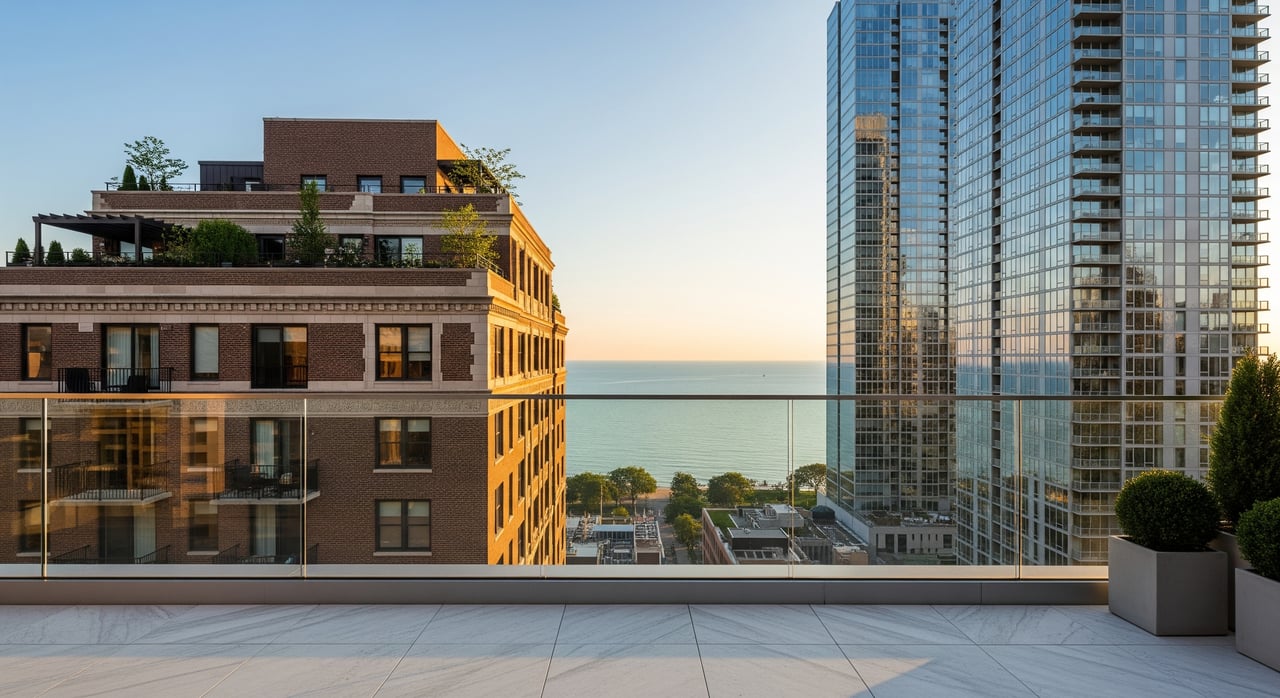
In eastern Lakeview near the lakefront, taller buildings and unobstructed exposures can command higher prices per square foot. Units with direct lake or unobstructed east views commonly sell at a premium that is often in the low double digits compared with comparable non-view units. The exact premium depends on the floor, orientation, and any obstructions, so building-level comps are best for precision.
Higher floors often gain better light and privacy, but returns can diminish at very high elevations if wind or mechanical noise becomes noticeable. If views are a top priority, you’ll likely find your best options in high-rises east of Broadway, but evaluate each building’s comps over the last 3–6 months.
Higher floors tend to avoid most street noise, but high-rise elevations can experience stronger wind and occasional wind-driven noise, especially near Lake Michigan. Balconies on higher floors may feel windier and less usable on certain days.
Older mid-rises along busy corridors can have more street-level noise and vibration. Window quality matters. Modern high-rises often have better glazing and centralized HVAC, which can reduce exterior noise compared with older windows or through-wall AC units common in mid-century mid-rises.
Lakeview is a steady demand area, and both building types attract buyers. Price point, amenities, and condition drive velocity. High-rises with strong amenities and views can draw a wider buyer pool, including out-of-neighborhood shoppers, while mid-rises at approachable price points can move quickly when fees are modest and building condition is sound.
Financing matters. FHA and conventional agency loans have condo project eligibility rules related to owner-occupancy, investor concentration, reserves, litigation, and paperwork. Some small mid-rise conversions or buildings with many investor-owned units may not meet agency criteria, which narrows the buyer pool for those relying on FHA. Larger high-rises are often project-approved but not always, so verify early.
Insurance also affects costs. The building’s master policy coverage, deductibles, and claims history influence your HO-6 premiums and the overall cost profile of ownership.
Structured parking is more common in high-rises and can be deeded or assigned. In Lakeview, parking is valuable due to overall scarcity. Mid-rises may have limited garage spaces, surface spots, or none at all, so factor in the cost of leasing a nearby spot if you need consistent parking.
Use this quick checklist for any Lakeview condo you are considering:
You deserve building-specific guidance that makes your decision clear. Our senior-led team studies association health, reserve studies, elevator timelines, master insurance, parking inventories, and view premiums at the building level. We pair that with curated comps and a practical total cost of ownership model so you can move forward with confidence.
Ready to compare shortlists, pressure-test fees, and structure a smart offer? Request a Building-Specific Market Plan from Hudson Parker.
Stay up to date on the latest real estate trends.
Looking to purchase or sell a home? Curious about current market valuations, or simply interested in exploring your real estate options? Contact us today and experience the Hudson Parker difference.
2251 N Geneva Ter Chicago, IL 60614