How River North Condo Amenities Shape Daily Life
June 4, 2026
June 4, 2026
If you are shopping for a condo in River North, amenities can shape your day more than the square footage on paper. In a neighborhood known for riverfront access, dining, nightlife, and dense downtown convenience, the right building features can save time, reduce hassle, and make your routine feel easier. Understanding which amenities actually improve daily life can help you choose a building that fits how you live, not just how it looks in a listing. Let’s dive in.
River North is one of Chicago’s most active downtown neighborhoods. Choose Chicago and the River North Residents Association describe it as a riverfront district with historic architecture, design influence, dining, and nightlife that stays busy well into the evening.
In that setting, condo amenities often work like an extension of the neighborhood. Instead of traveling elsewhere for exercise, outdoor time, or a place to work, you may be able to do those things inside your building. That convenience can have a real effect on how your day flows.
River North has also long been an amenity-focused condo market. The River North Residents Association development matrix tracked projects with pools, roof decks, dog runs, lounges, fitness and yoga areas, green roofs, and pocket parks, and many current buildings still market similar features.
In River North, outdoor pools are not just a flashy extra. Grand Plaza, for example, markets an outdoor heated pool, and for many residents that can replace an off-site club or become the default way to unwind after work.
If you actually use a pool regularly, its value is practical. You can swim, relax, or meet friends without planning around traffic, memberships, or another stop in your day.
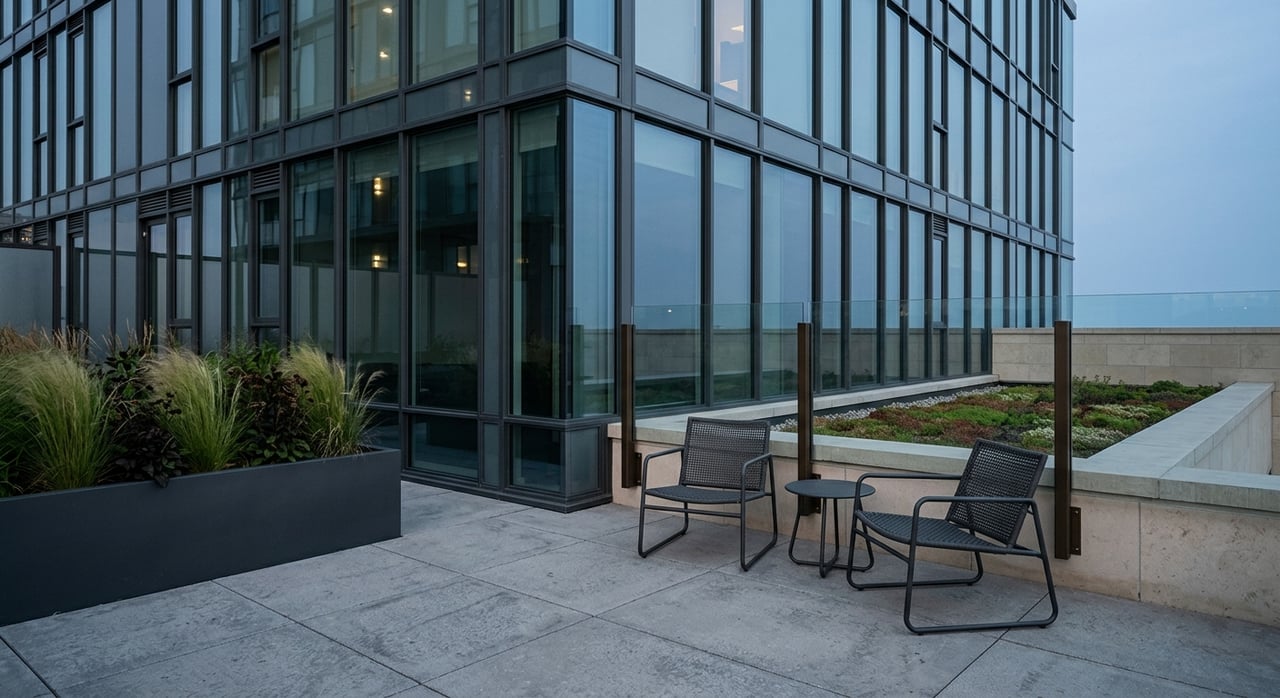
Private or shared outdoor space matters in a dense downtown setting. Silver Tower markets two outdoor terraces, and amenities like that can give you a quick way to step outside, get fresh air, or take a break without leaving the building.
That sounds simple, but it can shape your routine in a meaningful way. A short visit to a terrace before work or after dinner can make a high-rise lifestyle feel more balanced.
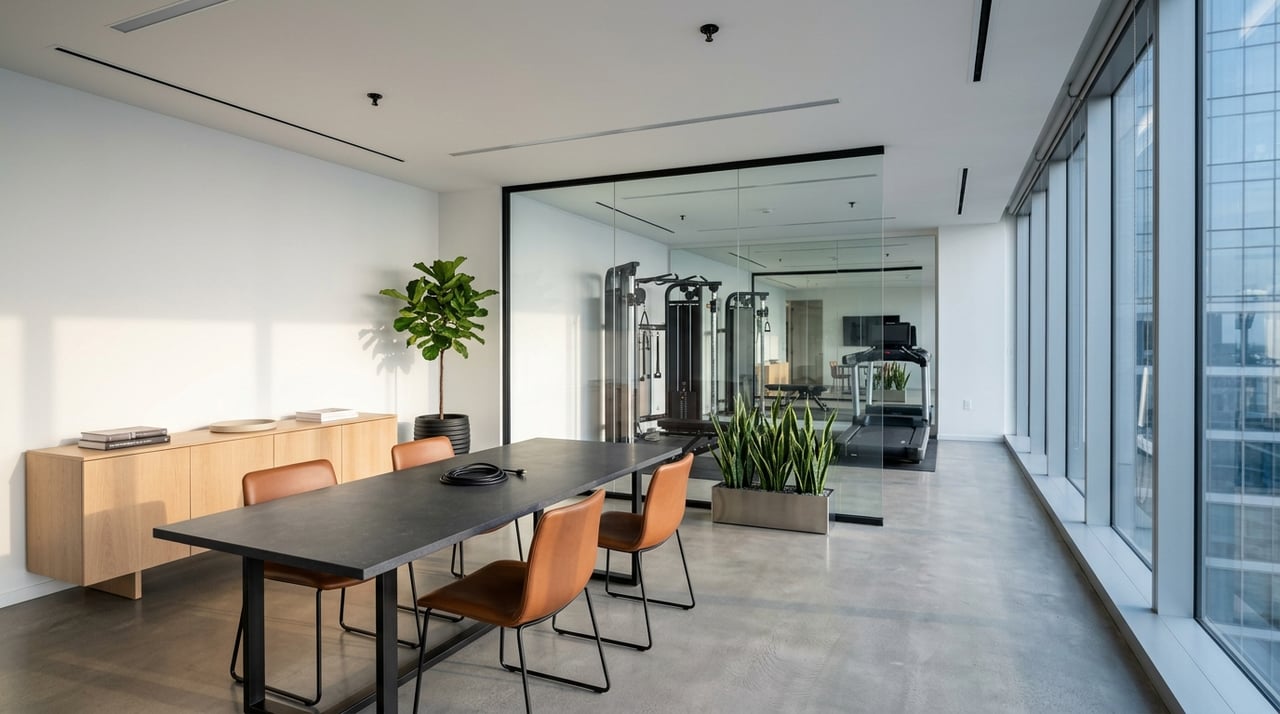
Fitness rooms are often among the most useful amenities because they cut out a commute. Grand Plaza and Silver Tower both advertise fitness spaces, which means residents can work out without adding another errand to the day.
This is where amenity value gets very personal. A modest gym you use four times a week may matter more than a showpiece feature you only visit a few times a year.
Newer downtown buildings increasingly tie fitness to a broader wellness setup. At One Chicago in River North, the coworking and wellness concept includes private offices and conference rooms connected to workout space, athletic club access, and resort-style pools.
For buyers with busy schedules, that kind of setup can reduce friction across multiple parts of the day. You may be able to work, take a call, and fit in exercise without moving across the neighborhood.
If you work from home even part of the week, a building lounge or coworking area can be more valuable than expected. Life Time Work River North at One Chicago offers private offices, dedicated desks, lounge seating, conference rooms, phone rooms, and meeting-room access.
That reflects a broader shift in downtown condo living. In newer buildings, work space is often treated as a resident amenity rather than something you need to find elsewhere.
A shared workspace can change how you use your condo itself. If your building offers a quiet room for calls or meetings, your unit does not have to handle every part of your workday.
That can matter if you want your home to feel more like home at the end of the day. It can also make a smaller unit more functional because part of your daily work setup lives outside your front door.
For pet owners, convenience is often the deciding factor. Grand Plaza includes a dog park, and the River North Residents Association development matrix also showed condo proposals with dog runs, which highlights how common pet amenities have become in the area.
A dog run or pet area can make your routine smoother, especially in bad weather or during a packed workday. It is one of the clearest examples of an amenity that solves a real day-to-day problem.
Amenities are only part of the equation. Silver Tower’s pet policy includes a monthly fee per dog, which shows that pet-friendly living may also come with added carrying costs.
If you own a pet, it helps to look at both convenience and cost together. A building may be a great fit, but you still want to understand the full monthly picture before you buy.
When you buy a condo, you own your unit plus a share of the building’s common elements. Monthly assessments help cover the maintenance and operation of those shared spaces and systems, and in some buildings they also include select utilities.
A Chicago property management source notes that HOA fees commonly support reserve contributions, utilities, maintenance, insurance, management and administration, landscaping, and contingency costs. In high-rises with staffed entrances and larger amenity packages, those fees can exceed $500 per month.
Illinois law requires condo boards to consider repair and replacement costs, useful life, investment return, financial impact on owners and unit values, and financing or refinancing ability when determining reserves. In simple terms, buildings need to plan for both current operations and future repairs.
That is why an amenity-rich building often costs more to carry. Pools, fitness centers, staffed entries, terraces, lounges, and other shared spaces all require cleaning, utilities, insurance, staffing, maintenance, and long-term replacement planning.
The key question is not whether an amenity sounds impressive. The better question is whether it fits your actual routine well enough to justify the monthly cost.
If you will use the gym, terrace, or work lounge several times a week, the fee may feel worthwhile. If not, you may be paying for a lifestyle feature that looks appealing in marketing but adds little to your daily life.
Buyer interest still leans toward practical lifestyle features. Zillow’s 2025 search trends show growing interest in pools, lake and waterfront settings, views, patios, and gyms.
That does not guarantee a specific resale premium, but it does suggest that buyers continue to notice useful amenities. In River North, the most durable package is often a balanced one rather than the flashiest one.
In many River North buildings, the strongest everyday amenity mix includes:
These features tend to support daily convenience. They also make it easier for future buyers to picture how the building will function for them in real life.
Amenities do not exist in a vacuum. Your building choice also interacts with the neighborhood around it.
Choose Chicago describes Streeterville through features like Navy Pier, lakefront views, the Chicago Children’s Museum, the Chicago Shakespeare Theater, and the Lakefront Trail. Gold Coast is framed more by historic character, waterfront access, and shopping, while West Loop stands out for restaurant concentration, Fulton Market warehouse conversions, and a strong art and nightlife scene.
That matters because some buyers want their building to provide more of their daily lifestyle. Others are comfortable relying more on the surrounding neighborhood. In River North, many buildings are designed around the idea that residents want both.
Before you buy, it helps to pressure-test the amenity package against your actual habits. A polished brochure can make every feature look essential, but most owners only use a handful of amenities often.
Try asking yourself:
For early-stage buyers, this kind of practical review can prevent expensive mismatches. The best building for you is not necessarily the one with the longest list of features. It is the one where the features support the way you actually live.
If you are weighing condo options in River North, building-level detail matters. The most useful comparison is often not just price per square foot, but how each building’s amenities, fees, and day-to-day function line up with your priorities. For buyers and sellers alike, that kind of building-specific context can lead to better decisions.
If you want a clearer read on how a specific River North building stacks up, Hudson Parker can help you evaluate amenities, carrying costs, and building-level positioning with a practical local lens.
Stay up to date on the latest real estate trends.
Looking to purchase or sell a home? Curious about current market valuations, or simply interested in exploring your real estate options? Contact us today and experience the Hudson Parker difference.

2251 N Geneva Ter Chicago, IL 60614