Gold Coast Co-Ops Vs Condos For Urban Buyers
July 2, 2026

July 2, 2026
Choosing between a co-op and a condo in Chicago’s Gold Coast can feel simple at first, until you realize the two ownership models work very differently. If you are drawn to the neighborhood’s mix of vintage architecture, lakefront setting, and full-service buildings, the right fit often comes down to how you want to own, finance, and live day to day. This guide breaks down the key differences so you can compare your options with more confidence. Let’s dive in.
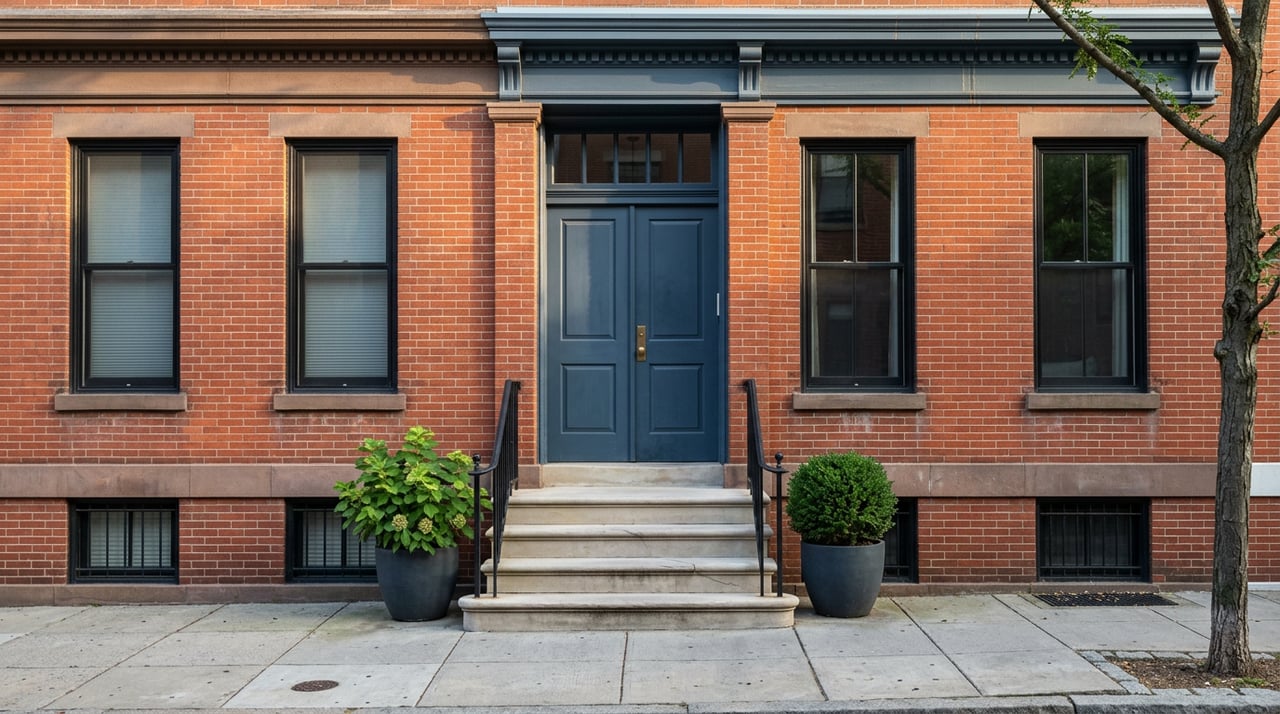
Gold Coast stands out for its historic mansions, 19th-century homes, and wide range of architecture. That mix gives you a shopping experience that can look very different from one block to the next.
In practice, many buyers here end up weighing vintage co-op buildings against newer or more conventional condo buildings. If you love classic character but also want a smooth purchase process, it helps to understand how each structure affects financing, monthly costs, and building rules.
In a co-op, you do not typically take title to an individual unit in the same way you would with a condo in Illinois. Instead, you buy shares in the corporation that owns the building, and those shares give you the right to occupy a specific unit through a proprietary lease or occupancy agreement.
That structure matters because the building’s rules often play a bigger role in daily ownership. Co-op house rules can address renovations, pets, smoking, noise, and guest stays, so reviewing those details early is important.
With a condo, you directly own your unit along with a percentage interest in the building’s common elements. That is the more familiar ownership path for many urban buyers, especially if you have purchased real estate before.
In Illinois, real property taxes are assessed against each condo unit and the owner’s common-element interest as a tract, rather than against the property as a whole. In Cook County, the tax bill is mailed through the Treasurer’s office.
Co-op financing is usually a share loan rather than a standard mortgage. The loan collateral is tied to your ownership interest in the co-op corporation and the proprietary lease.
Not every lender offers co-op share loans, which is why buyers should look for lenders with experience in this type of financing. If you are considering a Gold Coast co-op, it is smart to confirm lender options before you get too far into the search.
Many co-op purchases include building-level screening in addition to the usual financing steps. Co-op boards usually must approve the buyer, and that process can take time and may be difficult in some cases.
That extra layer can affect your timeline and your preparation. If occupancy rights are subject to co-op approval, the lender also needs evidence of that approval before it will buy or securitize the share loan.
For many buyers, condos offer a more familiar path. Financing usually follows standard mortgage channels, although the building itself can still affect your loan options.
When you are evaluating a condo, ask whether the project is warrantable and whether any special assessments, reserve issues, or insurance concerns could affect financing. Those building-level details can influence both cost and loan eligibility.
Co-op monthly charges often bundle several expenses into one payment. Depending on the building, carrying charges may include property taxes, an underlying building mortgage, utilities, insurance, repairs, staff, and reserves.
That can make monthly budgeting feel more centralized, but it also means you need to understand exactly what is and is not included. Two buildings with similar asking prices can have very different monthly carrying costs.
Condo fees are structured differently. They usually cover exterior and common-area repairs and maintenance, and they may also include water, sewer, trash, amenities, insurance, or reserves.
A key difference is that condo owners typically manage property taxes separately from the monthly association fee. For some buyers, that separation feels more straightforward when comparing ongoing ownership costs.
If you are considering a co-op, expect a more communal ownership culture. Rules may be more detailed, and buildings may place tighter limits on subletting, renovations, and other unit-related decisions.
That structure can appeal to buyers who value a highly managed building environment, especially in historic properties with a strong preservation feel. It can also be a drawback if you want more flexibility later.
Condo owners still follow association rules, but the ownership model is usually more direct and easier for buyers to recognize. If you want a conventional purchase path and more clarity around owning a specific unit, a condo may feel like the better fit.
That does not automatically mean every condo building is simple. You still need to review the association’s finances, repair responsibilities, and history of assessments before you commit.
A co-op may make sense if you are drawn to Gold Coast’s vintage buildings and are comfortable with a more rule-driven ownership experience. In a neighborhood known for historic architecture, that can be a meaningful advantage for buyers who want classic design and a strong building culture.
You will likely need more patience during the approval and financing process. In return, you may find the kind of building character that is harder to replicate in newer properties.
A condo may make sense if you want a more conventional transaction and a clearer ownership structure. Many buyers also prefer handling property taxes separately from monthly association dues.
If you expect financing flexibility or want a purchase path that more lenders commonly support, condos often align better with those goals. This can be especially helpful if you are balancing a busy schedule and want fewer moving parts.
Before pursuing a co-op, ask lenders questions such as:
These questions can help you avoid delays and quickly identify whether the building and your financing path line up.
When financing a condo, ask questions such as:
This gives you a clearer view of whether the unit works not just for your lifestyle, but for your lender as well.
For a co-op, ask an attorney to review the proprietary lease or occupancy agreement, bylaws, house rules, approval standards, sublet policy, renovation rules, and any resale restrictions such as a right of first refusal.
For a condo, ask for a review of the declaration, bylaws, assessment history, reserve levels, and unit-versus-common-element repair responsibilities. If you are buying into a co-op, Illinois Legal Aid specifically recommends speaking with an attorney experienced in Illinois cooperative housing law.
In Gold Coast, the co-op versus condo question is rarely just about the unit itself. It is also about the building’s structure, approval culture, monthly cost setup, and long-term flexibility.
That is why building-level research matters so much in this neighborhood. Two homes with similar square footage or similar asking prices can lead to very different ownership experiences once you factor in financing, rules, and monthly obligations.
If you are weighing a Gold Coast co-op against a condo, the best next step is to compare the buildings, not just the listings. For tailored guidance on downtown Chicago condos, building-level insight, and private inventory, connect with Hudson Parker.
Stay up to date on the latest real estate trends.




Looking to purchase or sell a home? Curious about current market valuations, or simply interested in exploring your real estate options? Contact us today and experience the Hudson Parker difference.

2251 N Geneva Ter Chicago, IL 60614