A Local’s Guide To Living In Old Town
April 16, 2026
April 16, 2026
If you want a Chicago neighborhood that feels historic, lively, and practical all at once, Old Town deserves a close look. You may be comparing condo-friendly neighborhoods, wondering how walkable daily life really is, or trying to figure out whether Old Town’s price tags match its lifestyle. This guide breaks down what it’s like to live here, from housing and transit to nightlife and neighborhood character, so you can decide if Old Town fits the way you want to live. Let’s dive in.
Old Town blends preserved historic blocks with a busy, modern neighborhood rhythm. The area is known for architecture, culture, art, theater, and local businesses, and it also benefits from easy access to downtown Chicago, Lincoln Park, and Lake Shore Drive, according to the Old Town Merchants & Residents Association.
That mix is a big part of the appeal. You can move from a quieter residential street to a lively stretch of restaurants and entertainment in just a few blocks. Old Town feels established and active, not like a single new development trying to create a neighborhood from scratch.
One point that often confuses buyers is the difference between Old Town and Old Town Triangle. They are related, but they are not the same thing.
The Old Town Triangle District is the historic core and a designated Chicago Landmark District. The city describes it as the area bounded by Lincoln, North, Wells, and the former Ogden right-of-way, with much of its development dating from 1871 to 1900.
That landmark status matters if you are considering a home in the district. Exterior work on contributing properties is reviewed, which helps preserve the streetscape and the neighborhood’s historic look. In practical terms, the broader Old Town neighborhood includes the Triangle but also extends into the more commercial Wells Street and Division Street corridors.
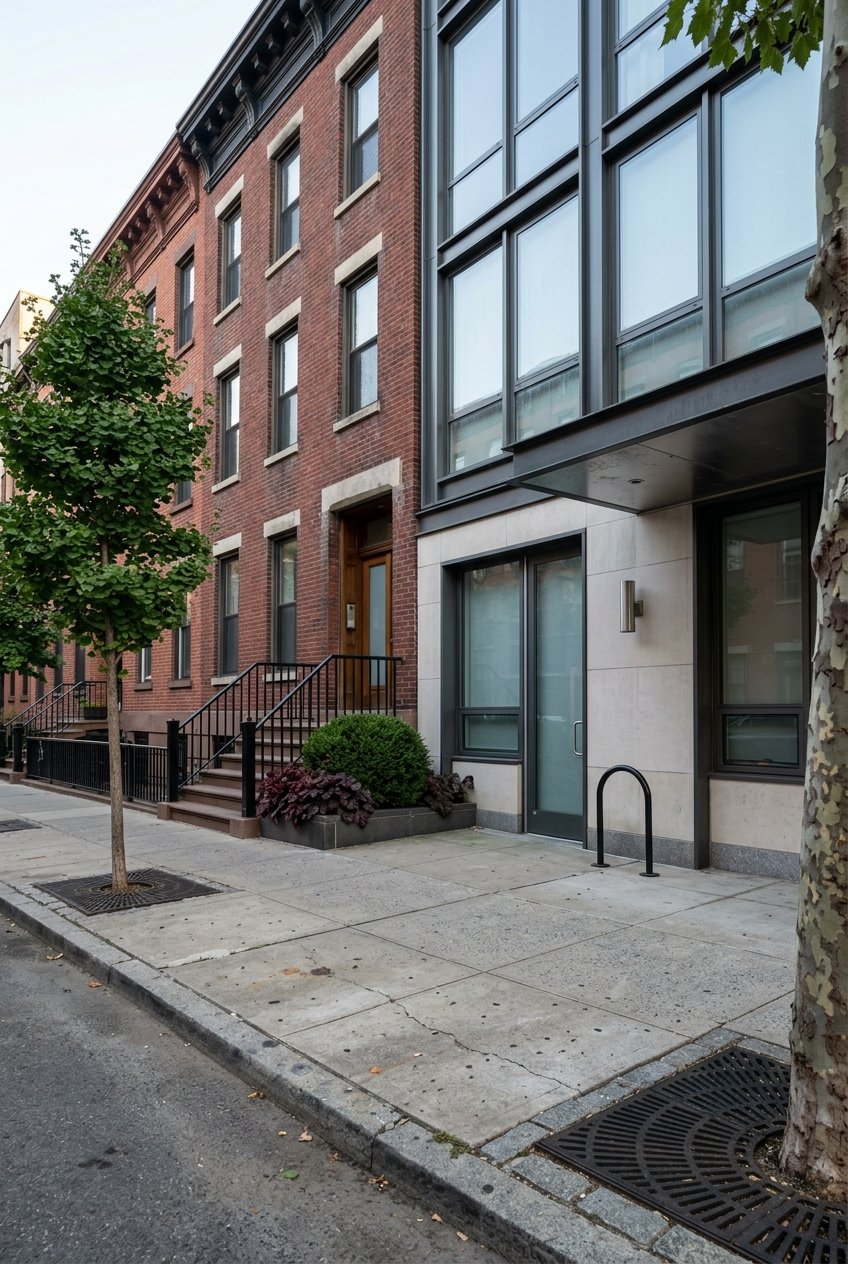
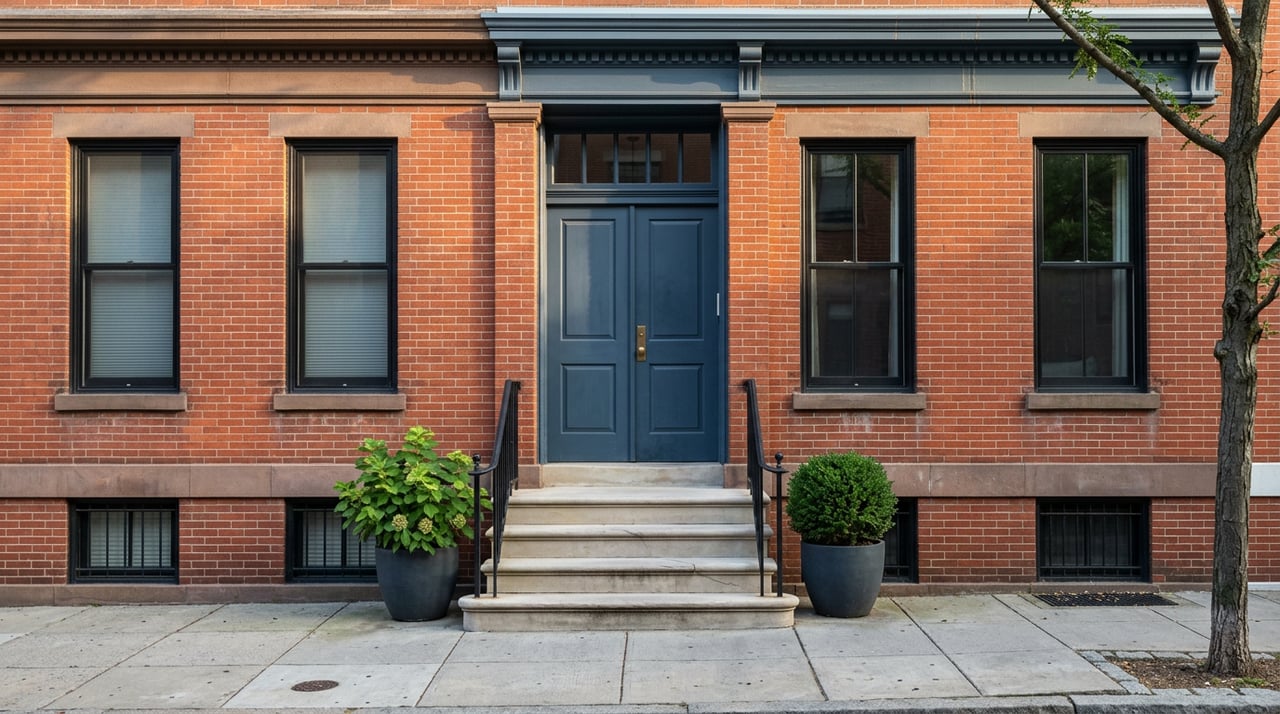
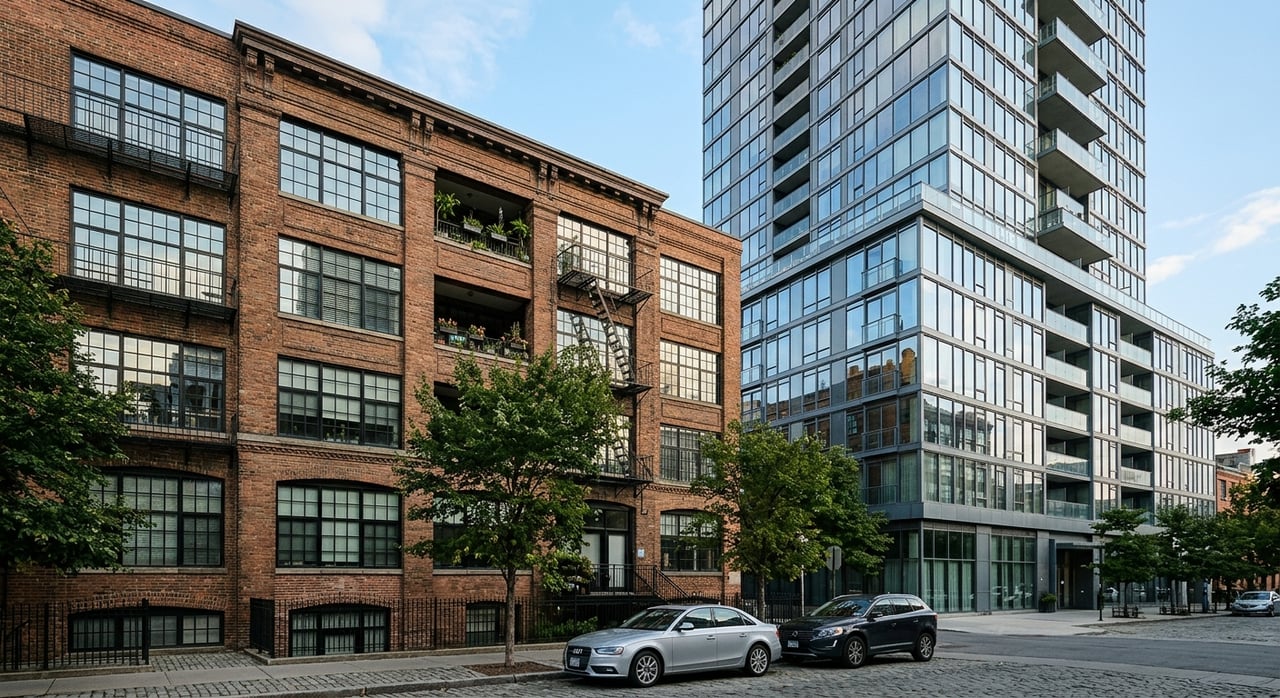
Old Town offers a housing mix that appeals to a wide range of buyers and renters. You will find older cottages, rowhouses, vintage apartment buildings, and low-rise condos alongside newer residential projects.
According to the OTMRA business attraction guide, major projects like Old Town Park and The Sinclair have added more than 1,500 residential units in recent years. That means the neighborhood has both historic housing stock and a meaningful amount of newer inventory.
For you as a buyer, this usually creates more choice in style and price. Some homes deliver classic architectural details and lower-density living, while others offer newer finishes and a more contemporary condo experience.
Old Town is generally a premium market, but pricing can vary quite a bit by building, size, and condition. Current market snapshots suggest that many standard condos cluster roughly from the low-$400,000s to the mid-$600,000s, while smaller vintage units can come in lower and larger or newer homes can rise well above that range.
For context, Redfin’s Old Town condo data shows a median condo listing price of $440,000. Realtor.com market figures cited in the research report indicate an overall median listing price of $525,000 for Old Town, while Old Town Triangle shows a median listing price of $650,000.
The biggest takeaway is that Old Town is not one-price-fits-all. If you are focused on condos, building-level differences matter a lot here, especially when comparing vintage low-rises with newer developments.
One of Old Town’s strongest selling points is everyday convenience. While Redfin currently labels the neighborhood moderately walkable overall, the core of Old Town often supports a car-light lifestyle because dining, errands, and transit are clustered fairly close together.
CTA access is a major advantage. The Sedgwick station serves the Brown and Purple lines and connects to bus routes #37 and #72. Nearby, Fullerton serves the Red, Brown, and Purple lines with bus connections including #37 and #74, while Clark/Division provides Red Line access and connections to routes #22, #36, #70, and #156, according to the CTA information summarized in the research.
For many residents, that means you can handle a lot of daily life without relying on a car full-time. The neighborhood’s convenience comes from the combination of rail, bus service, and a compact commercial core rather than one central shopping complex.
If Old Town has a main street, it is Wells Street. Choose Chicago identifies it as the neighborhood’s main drag for eating and drinking, and OTMRA describes it as a walkable corridor lined with boutiques, restaurants, and entertainment venues.
This part of the neighborhood helps define daily life after work and on weekends. You can step out for dinner, grab coffee, meet friends, or catch a show without needing a long cross-city trip. That ease is one reason Old Town continues to attract people who want a city lifestyle with a neighborhood feel.
The atmosphere also changes by block. Some sections feel more energetic and social, while nearby residential streets feel more rooted in the historic fabric that gives Old Town its identity.
Old Town has long been tied to Chicago’s entertainment scene, especially comedy. Choose Chicago’s neighborhood guide highlights The Second City as a central anchor, along with nightly live shows and longstanding spots such as Old Town Ale House and House of Glunz.
That gives the neighborhood a distinctive after-hours personality. It can feel busy around Wells Street and the major entertainment anchors, especially in the evenings and on weekends. At the same time, Old Town is not only a nightlife district. It remains a lived-in residential area with a strong local identity.
If you are deciding whether the vibe fits you, it helps to think in terms of micro-location. Living near the busier commercial corridors may feel different from living deeper within the historic residential blocks.
Old Town’s local identity is not limited to restaurants and bars. Seasonal events are a real part of the neighborhood’s rhythm and help bring residents and visitors together.
The Old Town Art Fair describes its 2026 event as featuring more than 200 nationally acclaimed artists, live music, a Garden Walk, and children’s programming. The Wells Street Art Festival, also referenced in the research, is treated as a summer kickoff and draws an estimated 70,000-plus attendees.
For residents, events like these can be a genuine lifestyle perk. They add energy, support local business activity, and reinforce Old Town’s long-standing identity as a cultural destination.
Old Town tends to work well if you want a neighborhood that combines historic character, condo options, strong transit access, and a lively dining and entertainment scene. It can be especially appealing if you like the idea of walking to restaurants, hopping on the CTA, and living in an area with recognizable Chicago character.
It may be a good fit if you are looking for:
Like many central Chicago neighborhoods, Old Town rewards block-by-block research. The best fit for you may depend on whether you prefer the energy of Wells Street, the feel of the landmark district, or a newer residential building near the neighborhood’s edges.
In Old Town, two condos with similar square footage can offer very different ownership experiences depending on the building. Age, layout style, renovation level, and the surrounding block all shape value and day-to-day living.
That is why broad neighborhood averages are only a starting point. If you are buying or selling in Old Town, a building-specific view often gives you a much clearer sense of pricing, competition, and how a home fits your goals.
If you want help evaluating Old Town condos with a more precise, building-aware approach, Hudson Parker can help you compare options, understand the neighborhood at a practical level, and move forward with a clearer plan.
Stay up to date on the latest real estate trends.
Looking to purchase or sell a home? Curious about current market valuations, or simply interested in exploring your real estate options? Contact us today and experience the Hudson Parker difference.

2251 N Geneva Ter Chicago, IL 60614