Downsizing To A Gold Coast Condo: What To Expect
May 7, 2026
May 7, 2026
If the idea of maintaining a larger home is starting to feel like more work than it is worth, a Gold Coast condo may look like a smart next move. Many downsizers are drawn to this part of Chicago for its walkability, lakefront access, and wide range of condo buildings, but the lifestyle shift is real. When you know what changes to expect, you can make better decisions about space, costs, and day-to-day comfort. Let’s dive in.
Gold Coast offers a mix that is hard to find in many other Chicago neighborhoods. You get close access to Lake Michigan, Oak Street Beach, North Avenue Beach, Lincoln Park, the Chicago History Museum, and the Magnificent Mile, all within a highly walkable setting.
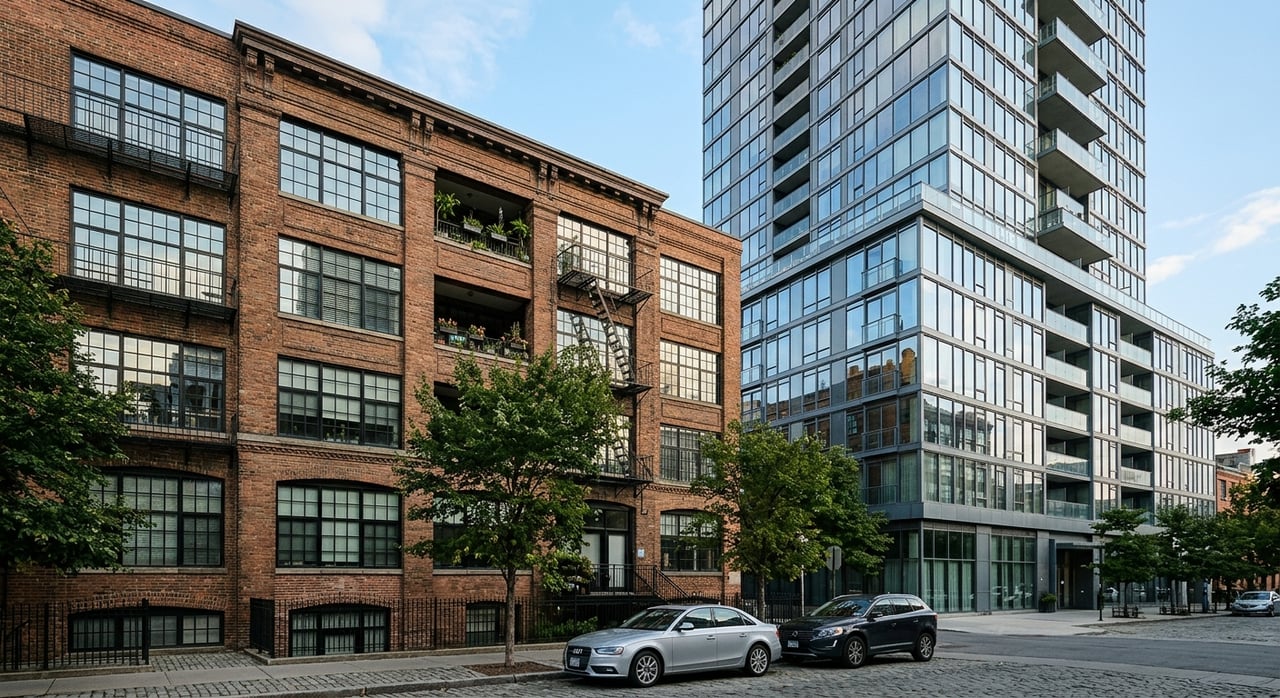
The housing stock also gives you options. The neighborhood includes historic residences, Art Deco buildings, Mid-century Modern towers, and newer condo developments. That variety matters when you are trying to match your next home to your routine, budget, and preferred level of service.
Gold Coast is also an active condo market. As of April 2026, Realtor.com reported 168 homes for sale, a median listing price of $654,750, a median sold price of $570,000, median days on market of 33, and a 97 percent sale-to-list ratio. In other words, this is not just a beautiful neighborhood. It is also a market where buyers and sellers are still moving.
Downsizing to a condo usually means more than reducing square footage. It often means changing how you live each day, how you store your belongings, and how much hands-on home maintenance you do yourself.
In Gold Coast, that shift can look very different depending on the building. Some condos are in prewar properties with more formal room layouts and classic architectural detail. Others are in taller, newer buildings that focus more on efficiency, skyline or lake views, and shared amenities.
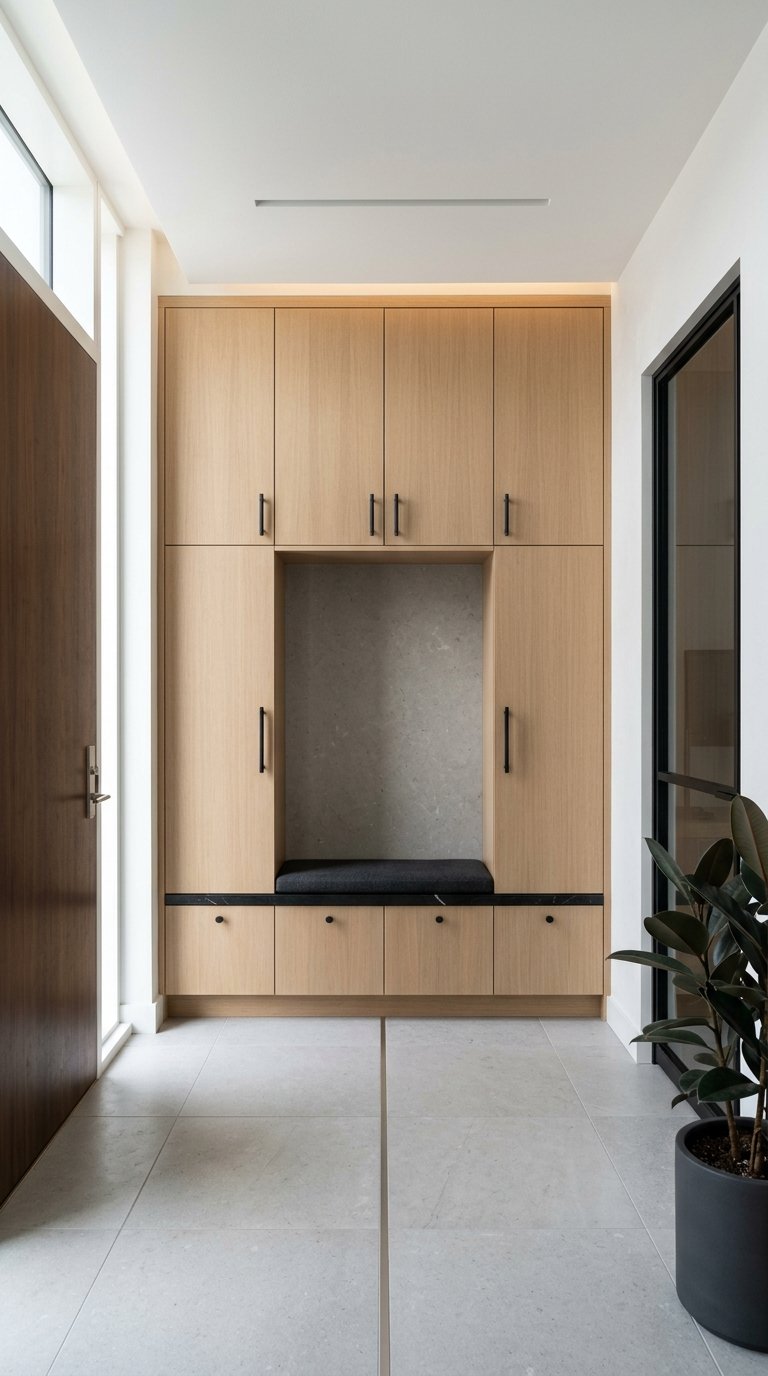
If you are moving from a suburban house, you may be trading a yard, basement, attic, or extra garage storage for a more compact footprint. In return, you may gain door staff, maintenance support, fitness space, package handling, valet parking, or a pool and sundeck, depending on the building.
A suburban home often spreads storage across multiple levels and hidden areas. A condo asks you to be more intentional, because every closet, cabinet, and storage locker matters more.
That does not automatically mean less comfort. It means your next home needs to fit how you actually live now, not how your household functioned ten or twenty years ago. For many downsizers, that shift is freeing once the move is complete.
One of the biggest lifestyle changes is moving from private upkeep to shared services. Instead of handling exterior maintenance, snow removal, or common-area repairs on your own, those responsibilities are often covered through the building and your monthly assessments.
In some Gold Coast buildings, that can also include staffed entry, on-site maintenance, package service, and shared recreation spaces. The question is not whether a building sounds impressive. The better question is whether its services fit the routine you want over the long term.
One of the most common surprises for downsizers in city condo markets is that parking is not automatic. In Gold Coast, some buildings include valet or attached garage access, while others have no on-site parking at all or require a separate arrangement.
That difference can shape your daily life more than finishes or views. If you still plan to keep a car, you will want to confirm whether parking is included, assigned, leased separately, or located next door.
Storage deserves the same attention. A building may offer storage rooms or lockers, but the size and availability can vary. If you are moving from a home with a full basement or large garage, this is one of the first details to clarify.
When buyers compare condos, it is easy to focus on the monthly HOA fee first. That number matters, but by itself it does not tell you enough.
Monthly assessments often cover exterior and common-area maintenance. They may also include water, sewer, trash, some utilities, amenities, insurance components, and contributions to building reserves. In Illinois condominiums, owners are legally obligated to pay assessments, and those can include regular operating expenses, reserve assessments, and special assessments.
The real issue is what the fee covers and whether the building is financially prepared for future repairs. A lower monthly fee can look appealing at first, but if reserves are underfunded, owners may face higher dues later or a special assessment when major work comes up.
Fannie Mae noted in a March 2026 lender letter that underfunded condo reserves are correlated with critical repairs. In practical terms, that means a building with weak reserves may be more vulnerable to unexpected costs.
Illinois guidance also makes clear that boards can levy special assessments for unplanned repairs or legally required work. So when you compare buildings, try not to ask only, “What is the monthly fee?” Ask, “What does that fee buy me, and how well is this building planning ahead?”
Two Gold Coast buildings can have very different monthly assessments for reasons that are perfectly logical. One may bundle more services, while another may keep fees lower by charging separately or offering fewer amenities.
For example, published assessment information for 1000 Lake Shore Plaza includes heat, air conditioning, water, gas, TV and cable, internet, common insurance, exterior maintenance, snow removal, and pool access. That is why apples-to-apples comparisons are so important.
The right condo is not just about the unit. In Gold Coast, the building itself is a major part of what you are buying.
This neighborhood includes boutique prewar residences, mid-rise buildings, and large full-service towers. Some emphasize charm and intimacy. Others lean into convenience, staffing, and amenities. Neither is better across the board. The better fit depends on how you want to live.
As you tour options, look beyond finishes and staging. Think about the details that will affect your daily routine for years.
Useful questions include:
Illinois law reinforces the importance of reviewing the declaration, bylaws, proposed annual budget, and any special assessment language before you commit. Those documents help you understand the building's rules, finances, and planning.
This is where building-level knowledge becomes especially important. Two condos with similar asking prices can offer very different ownership experiences once you account for staffing, reserves, rules, parking, and what is covered each month.
Most homeowners underestimate how long downsizing takes. If you are moving from a larger home into a Gold Coast condo, the process is often smoother when you start planning close to a year in advance.
AARP's one-year selling checklist offers a useful structure. About a year out, the goal is to create a storage plan and begin the official decluttering process. By around month three of that plan, each room should be decluttered. Around nine months out, the focus shifts toward curb appeal and choosing your real estate representation. Around four months out, the checklist recommends selling or donating overflow items, and in the final months, it moves into repairs, deep cleaning, and moving logistics.
The key is not to move your current storage problem into a new building. AARP specifically warns against using storage as a long-term hiding place for excess belongings.
If you are heading to a condo, this matters even more. Your goal is to reduce volume, not just relocate it. That makes the move lighter, the floor plan more functional, and your new home easier to enjoy from day one.
Seller preparation also matters if you want a smoother transition. National Association of Realtors guidance recommends a pre-sale home inspection, organized cleaning, gathering replacement estimates for older components, locating warranties and manuals, and improving curb appeal before listing.
For showings, it recommends clearing counters, wiping surfaces, hiding valuables and medications, opening window treatments, turning on all lights, and taking pets out of the home. If you are selling a suburban house before moving downtown, making closets, the basement, attic, and garage feel substantially emptier can make the home look larger and more move-in ready.
Downsizing is partly a numbers decision, but it is also a lifestyle decision. You may reduce maintenance and gain convenience, but you are also letting go of familiar space and routines.
That is why the best move is usually the one that aligns your next home with your real life. If you want easier maintenance, stronger walkability, lakefront access, and a building that supports your routine, Gold Coast can offer a compelling next chapter.
The smartest approach is to compare buildings with the same care you would use to compare the condos themselves. In this neighborhood, the building can shape your ownership experience just as much as the unit.
If you are thinking about a move to Gold Coast, working with a brokerage that understands building-level differences can help you evaluate the trade-offs clearly and avoid costly surprises. To request a building-specific market plan or talk through your downsizing options, connect with Hudson Parker.
Stay up to date on the latest real estate trends.






Looking to purchase or sell a home? Curious about current market valuations, or simply interested in exploring your real estate options? Contact us today and experience the Hudson Parker difference.

2251 N Geneva Ter Chicago, IL 60614