Bucktown Or Wicker Park For Condo Investors?
April 2, 2026
April 2, 2026
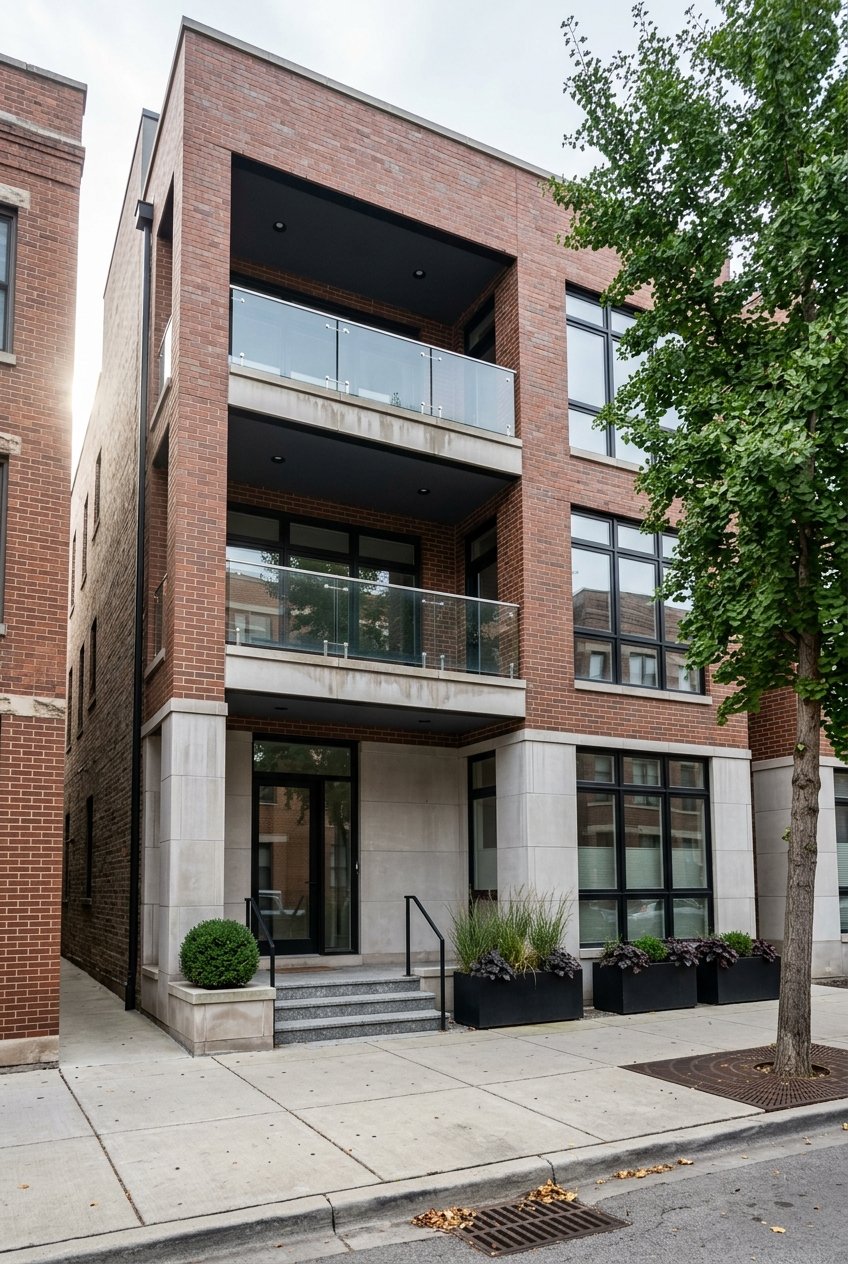
Trying to choose between Bucktown and Wicker Park for your next condo investment? It is a smart question, because these two Chicago neighborhoods can look similar at first glance but play differently once you get into pricing, rents, resale pace, and building rules. If you want a clearer way to compare them, this guide will help you screen both neighborhoods and focus on the details that matter most. Let’s dive in.
For condo investors, both Bucktown and Wicker Park offer strong location appeal, high walkability, and active condo markets. According to Redfin’s current condo data for Bucktown, Bucktown shows a median condo listing price of $635,000, 17 condos for sale, and a median 18 days on market. Wicker Park is close behind at $625,000, 17 condos for sale, and 25 median days on market.
Walkability is also strong in both areas. Bucktown has a walk score of 93, while Wicker Park comes in at 96 based on the same Redfin neighborhood condo pages. For many investors, that supports the core appeal of both locations: convenient, established neighborhoods where buyer and renter demand can stay durable.
If your main goal is rental yield, Wicker Park has a slight edge based on current asking-price-to-rent math. Realtor.com’s neighborhood snapshot shows a median rent of $2,500 in Bucktown and $2,800 in Wicker Park as of March 2026.
Using those rent figures against current condo asking prices creates a rough gross-cap proxy of about 4.7% for Bucktown and 5.4% for Wicker Park. That is not a full underwriting model, and it is not a promise of actual returns, but it is a useful first-pass screen. On today’s numbers, Wicker Park appears to offer a bit more income potential.
The spread is about 0.65 percentage points, which is meaningful but not dramatic. In practical terms, neither neighborhood looks like a low-cost, high-cash-flow play. The investment case is more about premium location demand, liquidity, and how each specific building affects your expenses.
That matters because condo investing is rarely just about the neighborhood headline. HOA dues, special assessments, lease restrictions, and unit condition can quickly outweigh a small neighborhood-level rent advantage.
If you are thinking beyond income and care about resale pace, Bucktown currently looks slightly stronger. The median days on market is 18 in Bucktown versus 25 in Wicker Park, based on Redfin’s condo market snapshot.
That does not guarantee faster resale for every condo, but it suggests Bucktown may have a slight edge in absorption right now. For investors who value flexibility, that can matter. If your plan might shift from hold to sale in a few years, a somewhat faster-moving market can support optionality.
Bucktown also has a slightly higher median condo listing price at $635,000 compared with $625,000 in Wicker Park. Again, this is only a market snapshot, not proof of future appreciation. Still, it supports the idea that Bucktown may be the better fit if you are screening for a slightly pricier resale environment rather than pure yield.
Here is the part many investors miss: with condos, the building can matter more than the neighborhood. A great location does not help much if the association restricts leasing, imposes rental caps, or limits your exit options.
Under the Illinois Condominium Property Act, condo boards may adopt and amend rules and regulations for the property and can levy reasonable fines for violations after notice and an opportunity to be heard. That means the declaration, bylaws, and house rules are not side documents. They are central to your investment analysis.
Before you move forward on any Bucktown or Wicker Park condo, review:
Even in a strong neighborhood, a restrictive association can make a condo a weak investment. In many cases, that building-level diligence is what separates a solid purchase from an expensive surprise.
If you are considering Airbnb-style use, you need to be especially careful. Chicago’s short-term rental rules are strict, and they can directly affect whether a condo works for your strategy.
According to the Chicago Municipal Code, short-term rentals must be licensed, and listings must include the license number. Unlicensed vacation rentals are prohibited.
Chicago also limits how vacation rentals can operate. A vacation rental may not be rented by the hour or for less than 10 consecutive hours, and the code bars more than one rental within any consecutive 10-hour period. Occupancy is capped at two persons per guest room, excluding children under 18, or the dwelling-unit capacity allowed by code.
For larger condo buildings, city limits get even more specific. In buildings with five or more units, the combined use of shared housing and vacation rentals is capped at no more than six units or one-quarter of the building, whichever is less, under the city’s shared housing and vacation rental rules. In two-to-four-unit buildings, the rules are generally tighter and often tied to primary-residence use unless the city grants an adjustment.
Chicago also maintains a public prohibited buildings list. If an owner or HOA adds the building to that list, short-term rentals are not allowed there.
This is one reason broad neighborhood comparisons only go so far. A condo in Wicker Park may look great on paper, but if the building is on the prohibited list or the HOA has strict lease limits, your projected use may not be possible.
If you are comparing Bucktown and Wicker Park, it helps to start with your goal rather than the neighborhood name. The better choice depends on whether you prioritize yield, resale flexibility, or a specific holding strategy.
Here is a simple way to think about it:
| Priority | Likely Better Fit | Why |
|---|---|---|
| Higher rough yield | Wicker Park | Current rent-to-price math screens slightly better |
| Faster resale pace | Bucktown | Current median days on market are slightly lower |
| Premium-location appeal | Both | Both are highly walkable, established condo markets |
| STR strategy | Building dependent | City rules and HOA restrictions can override location |
| Long-term hold | Building dependent | HOA dues, rental caps, and assessments matter heavily |
The key point is simple: choose the building first, then confirm the neighborhood fit. That approach is especially important in condo markets where association documents and local rules can shape your return more than a neighborhood label.
On current numbers, Wicker Park has the slight edge if you are screening for yield. Bucktown has the slight edge if you are focused on resale pace and a somewhat higher-priced condo market. Neither result should be treated as a guarantee, but both are useful for narrowing your search.
For most investors, the final decision should be made building by building. That is where lease terms, rental caps, HOA policies, city compliance, and ongoing ownership costs become real. If you want help evaluating condo opportunities with a building-specific lens, Hudson Parker can help you compare options with the kind of practical, document-driven guidance that matters in Chicago condo investing.
Stay up to date on the latest real estate trends.






Looking to purchase or sell a home? Curious about current market valuations, or simply interested in exploring your real estate options? Contact us today and experience the Hudson Parker difference.

2251 N Geneva Ter Chicago, IL 60614